
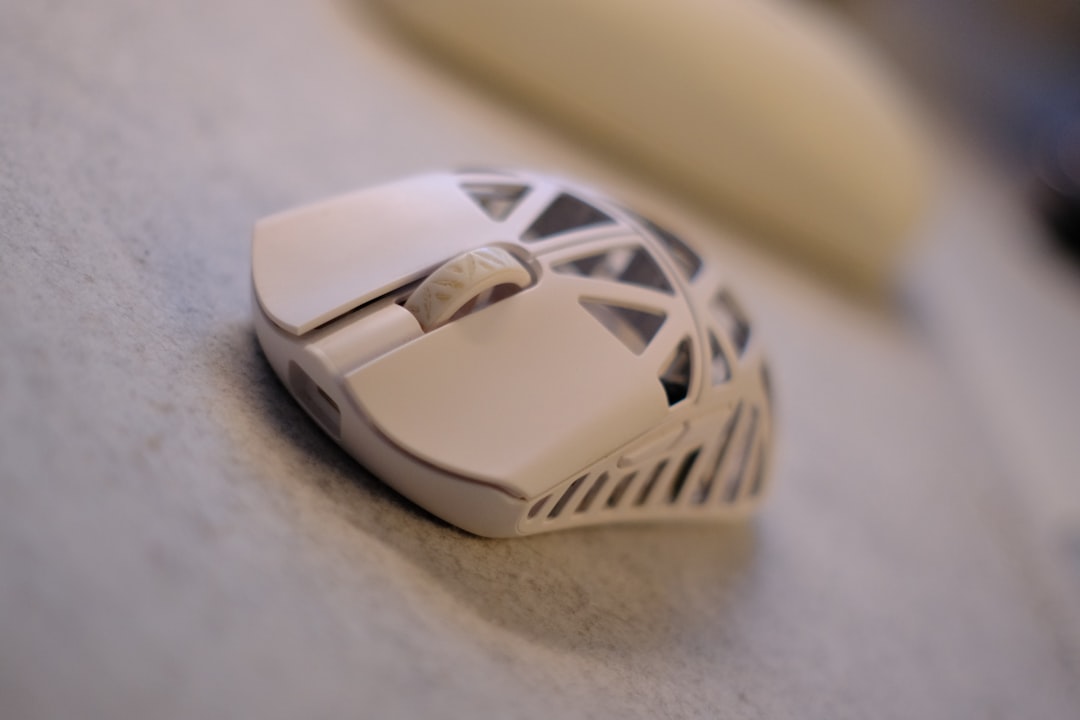
In the rapidly evolving world of gaming, the importance of having the right equipment cannot be overstated. Among the myriad of peripherals available, the gaming mouse stands out as a critical tool for enhancing performance and ensuring an immersive experience. At precisionidea.com, we understand the nuances of selecting the perfect gaming mouse, and this guide aims to provide you with the insights needed to make an informed decision.
The gaming mouse market has witnessed significant growth in recent years, driven by the increasing popularity of esports and online gaming. According to a report by Statista, the global gaming mouse market was valued at approximately $1.2 billion in 2021 and is projected to reach $1.6 billion by 2023. This growth reflects not only the rising number of gamers but also the demand for high-performance equipment that can provide a competitive edge.
When choosing a gaming mouse, several factors come into play, including sensor technology, ergonomics, DPI (dots per inch), and additional features such as customizable buttons and RGB lighting. Understanding these elements can greatly influence your gaming experience.
**Sensor Technology**: The sensor is arguably the most crucial component of a gaming mouse. There are two main types of sensors: optical and laser. Optical sensors are generally preferred for their precision and responsiveness, making them ideal for fast-paced games. On the other hand, laser sensors can work on a wider range of surfaces but may not offer the same level of accuracy. Recent trends show that 70% of gamers prefer optical sensors for their reliability and performance.
**DPI Settings**: DPI is a measure of how sensitive a mouse is. A higher DPI means that the cursor moves further on the screen with less physical movement of the mouse. For gaming, a DPI range of 400 to 800 is often recommended for first-person shooters, while strategy games may benefit from higher DPI settings. Many modern gaming mice allow users to adjust DPI settings on-the-fly, providing flexibility based on the game being played.
**Ergonomics**: Comfort is paramount during long gaming sessions. A well-designed gaming mouse should fit comfortably in your hand, reducing strain and fatigue. Mice come in various shapes and sizes, catering to different grip styles such as palm, claw, or fingertip grip. It’s essential to choose a mouse that complements your grip style to enhance comfort and control.
**Customizable Features**: Many gaming mice come equipped with programmable buttons that allow gamers to assign specific functions or macros, streamlining gameplay. This feature is particularly beneficial in multiplayer games where quick access to commands can mean the difference between victory and defeat. Additionally, RGB lighting has become a popular aesthetic feature, allowing gamers to personalize their setup.
**Market Trends and Consumer Behavior**: Recent surveys indicate that 65% of gamers consider brand reputation and product reviews as critical factors when purchasing gaming peripherals. This highlights the importance of researching products before making a purchase. At precisionidea.com, we provide detailed reviews and comparisons to help you navigate the options available.
**Key Insight**: As the gaming mouse market continues to expand, with a projected growth of 33% over the next two years, consumers are increasingly prioritizing performance and customization in their purchasing decisions. This trend underscores the need for retailers to offer a diverse range of high-quality products that cater to the evolving preferences of gamers.
In conclusion, selecting the best gaming mouse involves careful consideration of various factors, including sensor technology, DPI settings, ergonomics, and customizable features. By understanding these elements and staying informed about market trends, you can make a choice that enhances your gaming experience. At precisionidea.com, we are committed to providing you with the latest information and products to help you find the perfect gaming mouse that suits your unique gaming style.